
Tanzania Safaris
Great Migration River Crossing Season

August is the end of Tanzania’s dry season. The wildlife come from the wilderness and take up residency near the river in Tarangire National Park.
Our safari will concentrate initially on the huge marsh that boarders the wilderness and is just minutes from our camp. The beautiful acacia trees are home to lions, leopard, ostrich and more. The marsh is a fantastic area to view herds of elephants feeding, playing, drinking, swimming, and dusting.
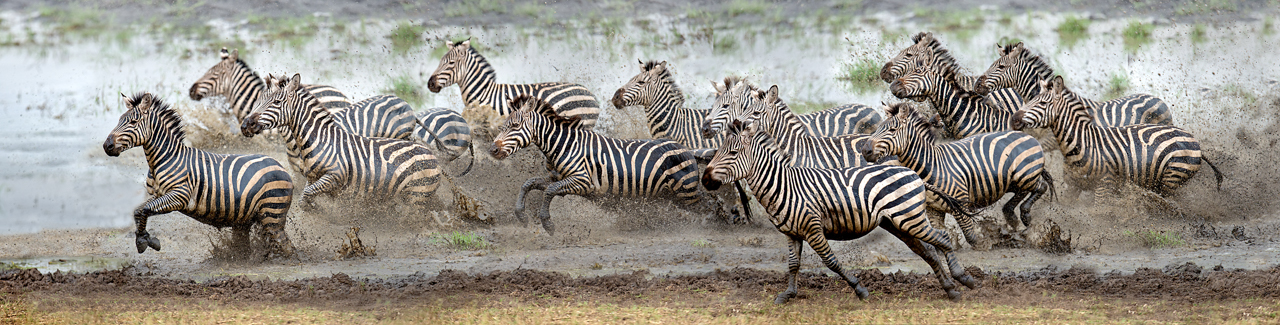
We will also explore the park for other wildlife, including lesser kudu, oryx, lilac-breasted and purple rollers, blue-cheeked bee-eaters, open-billed stork, and if we are lucky, wild dogs.
We continue our safari by driving out of the park and up the rift valley to our tented camp in the central area of Serengeti National Park. That afternoon we will have our first hunt for leopards. There are a couple of leopard families that inhabit the Seronera River Valley. Photographing mothers and cubs can be very special. In addition to leopards, there are also prides of lions, elephants, a spectacular hippo pool, and much more!
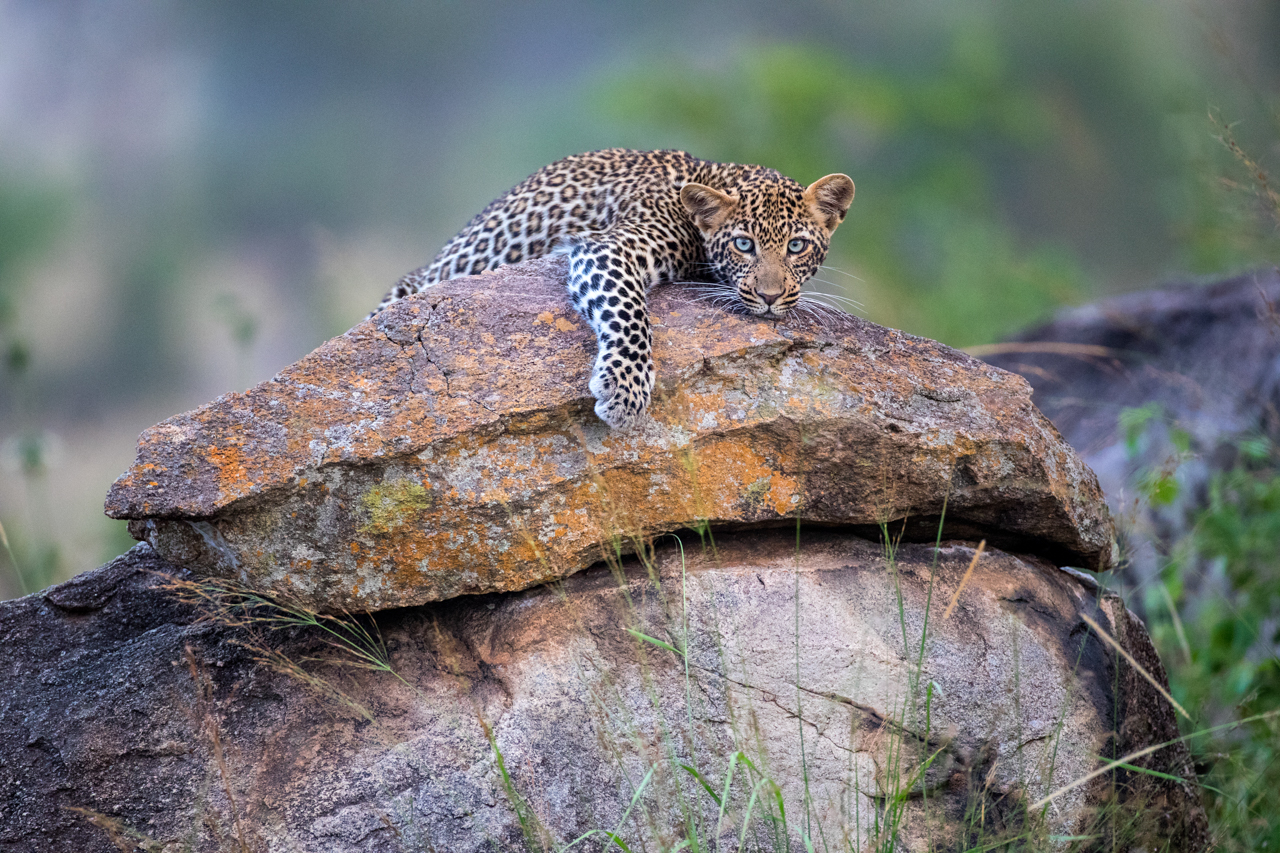
We continue our safari with a game drive that heads north to the Mara River. Located in the far northern Serengeti, our next camp gives us access to some of the most spectacular country in the world. There are rock formations called Kopjes (after the Africans word for head) where leopards and lions live and scout for prey. We will visit my favorite place called Cheetah Valley where there are rolling hills and valleys covered with golden grass as far as the eye can see. There are umbrella acacia trees that look as if they were placed just so to give a view of paradise.
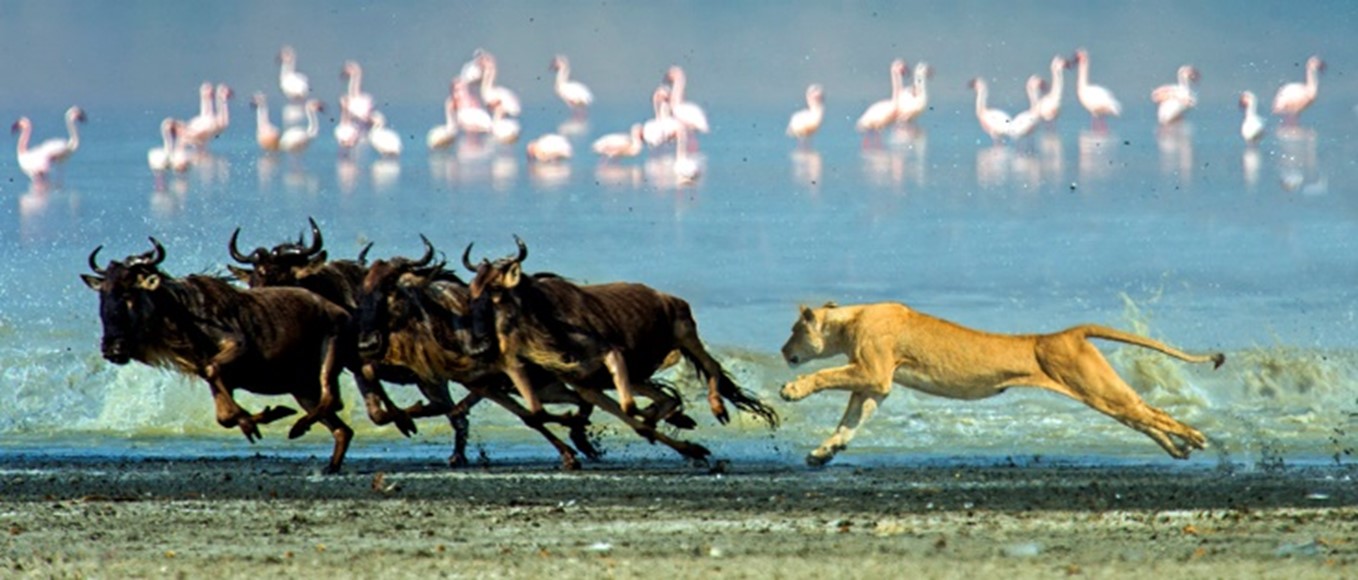
The main event of this safari is the migration’s crossing of the Mara River. Seasonal afternoon showers cause new grasses to appear. When the wildebeest smell the rain, they are driven to gather at the river and cross in unbelievable numbers! If it rains again on the other side, they will cross back!


From the North Serengeti we move on to one of the most dramatic UNESCO World Heritage Sites, The Ngorongoro Crater. Our camp is perched high above the crater floor with fabulous views of sunset. We leave early each day as mornings are the best time to be in the crater. On the floor of the crater, we have the chance to see black rhino, huge bull elephants, herds of gazelles, zebra, and buffalo. There are lakes and ponds that can have flamingos, saddle bill storks, grey heron, hammer cop and especially African crowned crane. Lions are always active in this area, and we have every hope of seeing a serval cat! There is only one admission to the crater per day so we will stay until the day warms and the action slows. When we return to camp, we have the rest of the afternoon to relax, explore the crater rim for many different species of mountain birds, and work on our photos.
Your safari ends with an optional visit to a Maasai village for a unique cultural experience. There is much to learn at the village, and the visit is a great photo opportunity!